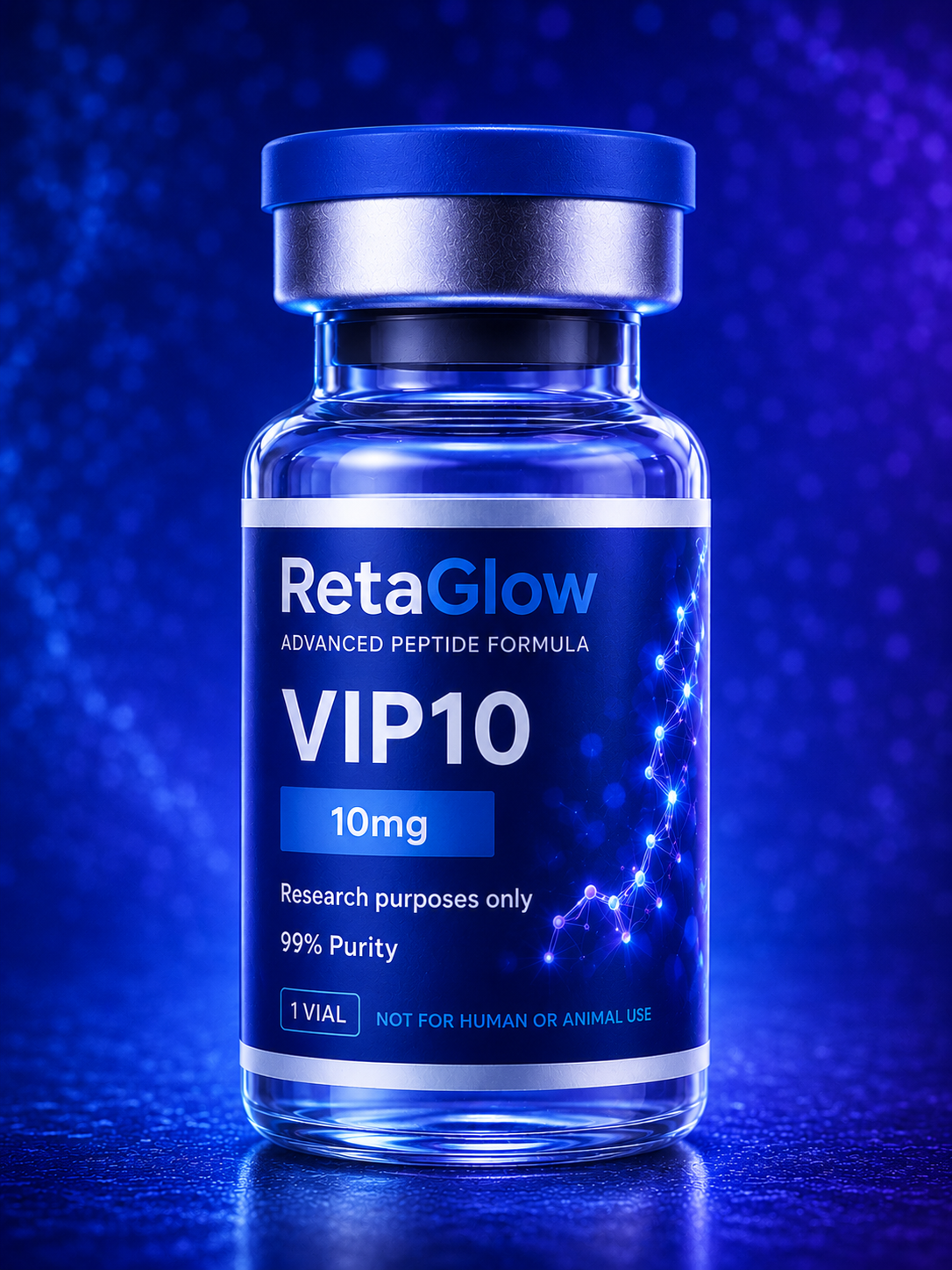
VIP (Vasoactive Intestinal Peptide) is a naturally occurring peptide widely studied for its role in regulating inflammation, circulation, and immune system signalling.
It is commonly explored in research focused on respiratory function, inflammatory response, and overall system balance.
What it’s used for (research context):
Supporting anti-inflammatory pathways
Respiratory system support
Circulation and vascular function
Immune system regulation
How it works:
VIP interacts with specific receptors throughout the body, particularly in the lungs, gut, and immune system, influencing processes such as:
Smooth muscle relaxation (including airways)
Blood flow and vasodilation
Immune signalling and inflammatory response
This makes it a key area of interest in research involving system-wide regulation and balance.
Key features:
Naturally occurring peptide
Multi-system interaction (immune, respiratory, vascular)
Non-hormonal mechanism
Commonly used in advanced research protocols
Research interest includes:
Respiratory health and airway support
Inflammation modulation
Gut and digestive system support
Overall immune system balance
Why VIP:
VIP is often explored for its broad systemic effects, particularly in protocols focused on reducing inflammation and supporting optimal function across multiple systems.
Its role in regulation rather than stimulation makes it a unique compound in research settings.
Additional notes:
Naturally present in the body
Short-acting peptide
Commonly explored in structured protocols targeting inflammation and respiratory pathways



Reviews
There are no reviews yet.